
Understanding gambling addiction Recognizing the signs and seeking help
What is Gambling Addiction?
Gambling addiction, also known as compulsive gambling or gambling disorder, is a behavioral addiction characterized by an uncontrollable urge to gamble despite negative consequences. Individuals suffering from this condition often find themselves prioritizing gambling over important aspects of their lives, including relationships, finances, and mental health. This addiction can manifest in various forms, from casual betting to high-stakes gambling, and it can affect anyone, regardless of age, gender, or socioeconomic status. For those looking for a place to enjoy gaming safely, the best online casino south africa can be a great option.
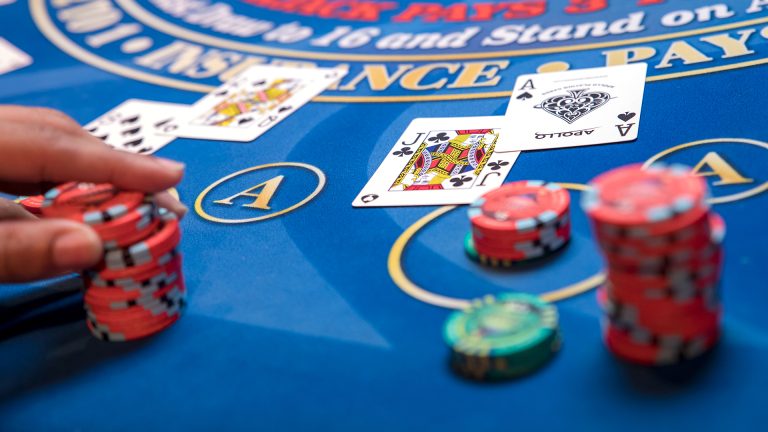
The psychological mechanics of gambling addiction are complex. Many gamblers initially engage in the activity for entertainment or social interaction, but over time, the thrill of winning can lead to an obsessive pattern. The rush of excitement and the dopamine release associated with winning creates a cycle where the individual continues to gamble in hopes of replicating that high. This cycle can result in significant emotional and financial distress, leading to a downward spiral that can be hard to escape.
Research shows that gambling addiction is often linked to underlying mental health issues such as depression, anxiety, or substance abuse. This relationship complicates the addiction, as individuals may gamble to escape from their problems, only to find that it exacerbates their mental health challenges. Recognizing gambling addiction is crucial for timely intervention and support.
Recognizing the Signs of Gambling Addiction
Identifying gambling addiction is essential for early intervention. Key signs include a preoccupation with gambling, where individuals spend excessive amounts of time thinking about gambling experiences or planning their next gambling venture. This obsession can lead to neglect of personal and professional responsibilities, causing strain in relationships and work performance. It’s important to observe these patterns to understand the impact gambling is having on one’s life.
Another critical sign is the need to gamble with increasing amounts of money to achieve the desired excitement. Individuals may find that their previous betting amounts no longer provide the same thrill, leading them to escalate their wagers. This behavior often results in financial difficulties, including accumulating debt, borrowing from friends or family, or resorting to illegal activities to fund gambling habits.
Mood swings and irritability when not gambling can also signal an addiction. If an individual becomes agitated or restless when not engaged in gambling, it indicates a reliance on the activity for emotional regulation. This emotional dependence can lead to further isolation and damage to relationships, making it difficult for the person to recognize their addiction.
The Effects of Gambling Addiction
The impact of gambling addiction extends far beyond the individual, affecting families, friends, and communities. Financial consequences can be devastating, leading to bankruptcy, loss of employment, and significant debt. Relationships often suffer as trust erodes, and loved ones may feel helpless or angry due to the destructive behaviors associated with gambling. This fallout creates a ripple effect, affecting not just the gambler but everyone in their circle.
Moreover, the psychological effects of gambling addiction can be severe. Many individuals experience feelings of guilt, shame, and despair as they come to terms with their situation. This emotional burden can exacerbate existing mental health issues, leading to a higher risk of depression, anxiety disorders, and suicidal thoughts. Recognizing these effects is crucial for understanding the full scope of gambling addiction and the need for comprehensive support systems.
Social consequences also play a significant role in the life of a person struggling with gambling addiction. Isolation is common as individuals withdraw from social activities, preferring to gamble instead. Friends and family may distance themselves, creating a cycle of loneliness that further entrenches the addiction. Understanding these impacts emphasizes the need for effective communication and support from loved ones when confronting this issue.
Seeking Help for Gambling Addiction
If you or someone you know is struggling with gambling addiction, seeking help is a vital step toward recovery. Professional treatment options are available, including therapy, support groups, and counseling services. Cognitive Behavioral Therapy (CBT) is particularly effective, helping individuals to identify and change harmful thought patterns associated with gambling. Through therapy, individuals can develop healthier coping strategies and build a support network to aid in their recovery.
Support groups like Gamblers Anonymous provide a community of understanding and shared experiences. These groups offer a safe space for individuals to share their struggles and successes, fostering a sense of belonging that can be crucial for recovery. Additionally, involving family members in treatment can help heal relationships and create a supportive environment for long-term recovery.
It’s important to remember that recovery from gambling addiction is a process that takes time. Relapses can occur, and it’s essential to approach them with understanding rather than judgment. Building resilience through coping strategies, establishing a strong support system, and maintaining open communication can help individuals navigate the challenges of recovery.

Our Commitment to Responsible Gambling
Our website aims to educate and empower individuals regarding gambling and its potential risks. We believe in promoting responsible gambling practices and providing resources for those who may be struggling with addiction. By offering comprehensive information, we hope to raise awareness about the signs of gambling addiction and the importance of seeking help when needed.
We prioritize the well-being of our users and provide access to a curated list of resources, including support services and treatment options. Our commitment extends to ensuring that our platform is a safe space for individuals to learn and engage with the topic of gambling. We advocate for responsible gaming and support initiatives that promote mental health and recovery.